
When the Power Goes Out
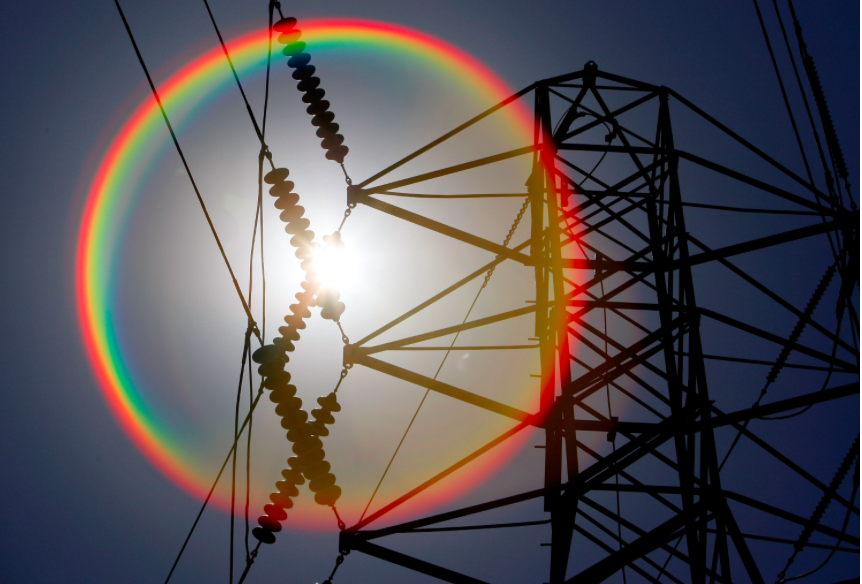
We take electricity for granted. It powers almost everything we rely on each day, and when it disappears, even briefly, we're reminded how dependent we really are. Temporary fixes like generators and backup batteries help, but they always come with trade-offs. Something gets sacrificed.
The same is true of dealership data.
Your data is the electricity that powers the tools you depend on every day. Without a steady, reliable flow of data, applications become underpowered, or worse, completely useless. And when that power goes out, the impact is immediate. Sales slow down. Service suffers. Productivity drops. The bottom line feels it quickly.
When the outage happens, everyone looks around. Fingers start pointing. The people most affected are the teams on the ground who rely on dozens, sometimes hundreds, of vendor applications to sell and service vehicles. Caught in the middle is your IT staff, under pressure to find where the "line went down" and get the lights back on. Relationships strain. Trust erodes. The fire drill begins.
The Grid
While your dealership owns the electricity, your data, the grid that delivers it is often controlled by others. Utilities decide who can access the grid, how, and at what cost. When the grid shuts down, the recipients are left in the dark, asking for help from sub-stations and intermediaries who may be just as powerless.
In the data world, those sub-stations are aggregators. And like public utilities, they are often constrained by the same grid they rely on.
Your Electricity, Someone Else's Control
So here you are: you own the electricity, but you don't control how it's delivered. Vendors can't get the data they need. Applications lose value. ROI evaporates. Your teams are frustrated, and IT is exhausted from constantly rerouting power around the outage.
The natural question becomes: will every vendor be willing to pay a tax to access the grid and deliver your electricity? In reality, many can't, or won't. The added cost makes solutions harder to sell, and those costs eventually get passed back to you.
The Hidden Tax
I recently visited a large dealer group that was delivering data to nearly 100 different destinations. The cost of doing so fell into three categories:
Grid fees paid by vendors to access your data
Off-grid fees paid to alternative intermediaries
Internal IT labor, where your team manually delivers data themselves
Much of this cost is hidden. Some vendors are prohibited from showing grid fees explicitly. Others surface them as line items. And the IT costs, time, stress, opportunity loss, are rarely accounted for at all.
Add it up, and the truth becomes clear: you are being heavily taxed on your own electricity.
And if the grid becomes the only path to your data, monopoly economics take over. Costs rise. Vendor choice shrinks. Innovation slows. Some providers disappear altogether. The outlook grows darker.
Let There Be Light
For some dealer groups, the answer has been to take control of their electricity. They've invested in cloud-based data environments where data can be centralized, normalized, secured, and distributed freely, without taxing vendors or relying on a single grid.
This approach offers real benefits:
Greater control over data movement and regulatory compliance
Improved security
Clear visibility into exactly what data is shared and with whom
Lower overall vendor costs by removing access barriers
The conclusion is simple: blackouts and brownouts, whether electrical or digital, are too costly to ignore. Relying on utilities to solve a problem they control is not a strategy.
It's time to turn the lights back on…on your terms.
~ Bryan